




Umpqua
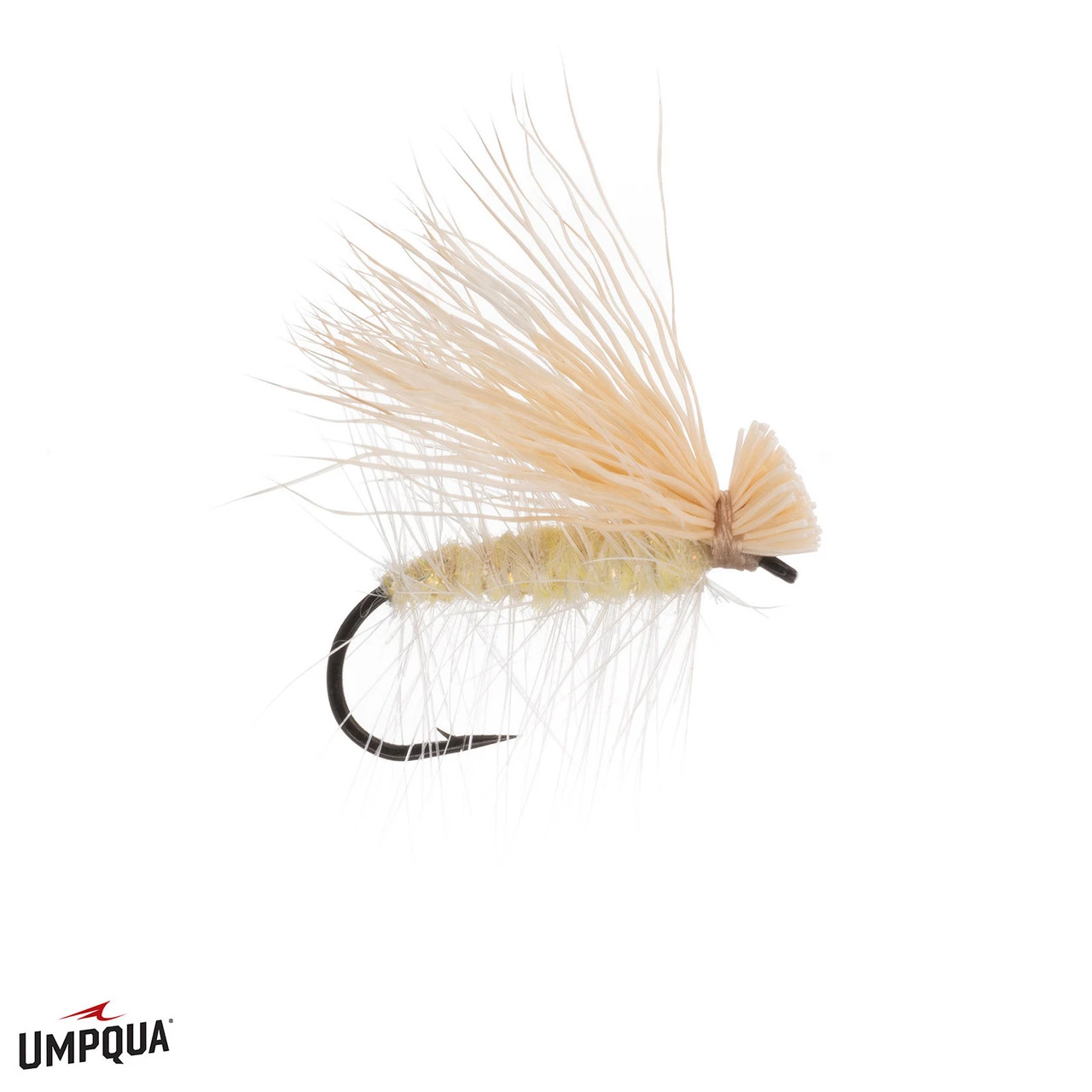
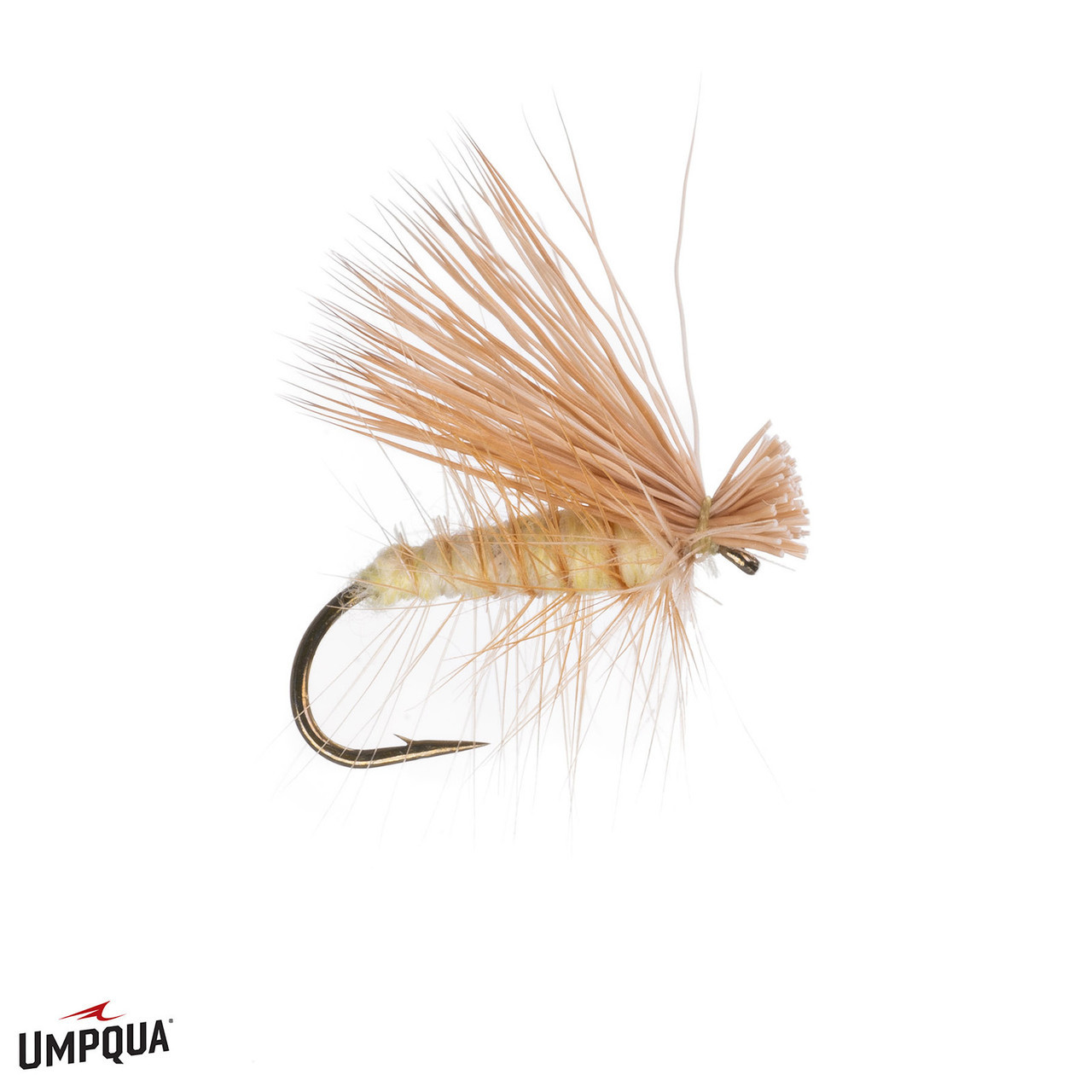
Umpqua Elk Hair Caddis Fly
SKU #960-ElkCaddisYellowFly-P
$2.29 - $2.64
Free shipping over $45
NOTE: This item ships separately.
You May Also Like


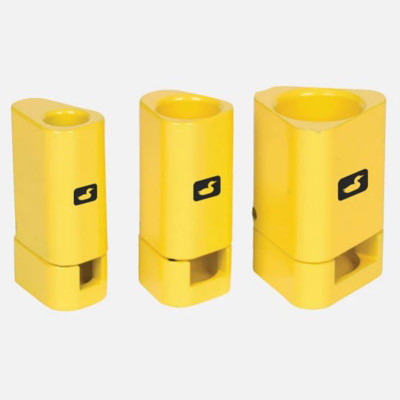
Loon ZIPPY Fly Tying Tool Hair Stacker Deer Hair Elk Hair
$20.46 - $23.16
$24.00 -
$28.00
Description
Overview
Al Troth first fished the Elk Hair Caddis on Pennsylvania's Loyalsock Creek in 1957, tying it for a green caddis hatch. Nearly seventy years later it is still one of the first dry flies most anglers tie on, because it does so many jobs well.
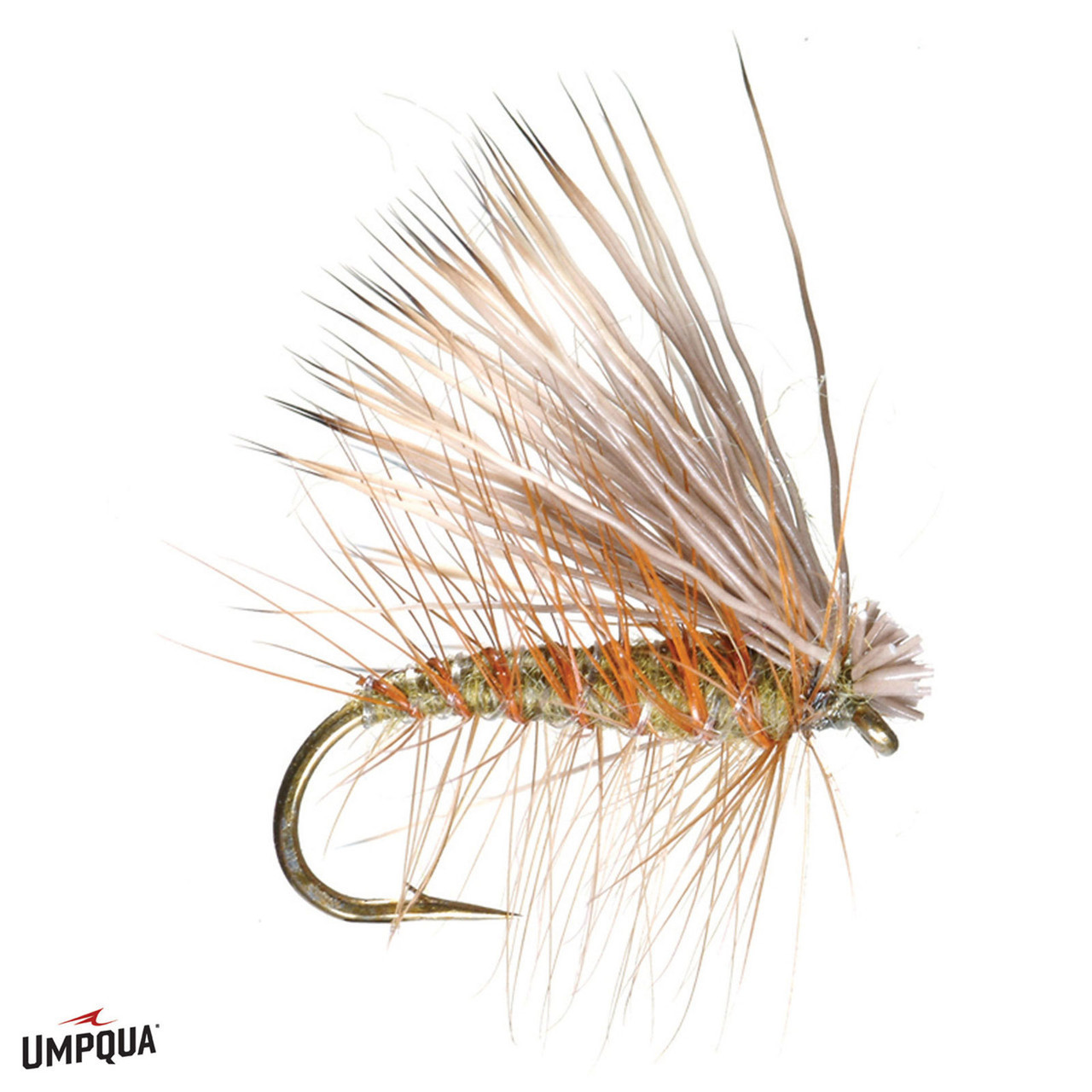
The flared elk hair wing gives fish the tent-shaped silhouette of an adult caddis or small stonefly from below and gives you a bright, easy-to-track fly from above. A palmered hackle body holds it high on the surface, and elk hair keeps floating after fish after fish. It is a searching pattern as much as a hatch match, which makes it a fly you can fish confidently on almost any trout stream from spring through fall.
How to Fish It
- During a caddis hatch: dead drift it on 5X or 6X tippet through riffles and seams where you see fish rising.
- Egg-laying caddis in the evening: give it a small twitch or skate it across the current. Adult caddis flutter and skitter on the surface, and movement often draws a hard strike.
- Searching: with no hatch on, prospect pocket water, riffle edges and undercut banks. The silhouette reads as food to opportunistic trout.
- Dry-dropper: sizes 10 to 14 float well enough to carry a small bead-head nymph tied 18 to 24 inches off the bend.
- Keep it riding high: treat it with gel floatant before the first cast and refresh it with a dry shake after each fish.
Choosing Color and Size
Tan and Brown match the widest range of natural caddis and are the colors to carry first. Olive and Spruce cover green-bodied caddis, and Yellow is the most visible in broken water and doubles as a small yellow stonefly.
Sizes 14 and 16 match most caddis hatches. Go to 10 or 12 for big caddis, small stoneflies or when you need to float a dropper, and 18 for small caddis on flat, clear water.
Read More +Features
- Classic Al Troth pattern, first fished in 1957
- Flared elk hair wing for a true caddis silhouette and high visibility
- Palmered hackle body floats high and stays up after repeated fish
- Works as a hatch match, a searching fly and a dry-dropper indicator
- Five colors and sizes 10 to 18
WARNING: Cancer and Reproductive Harm - www.P65Warnings.ca.gov